

Sustainable Governance is the Key to Removing the Stigma of Dirty Nickel in Indonesia
The Indonesian government encourages nickel downstream with sustainable governance to remove the stigma of "dirty nickel" and increase global competitiveness
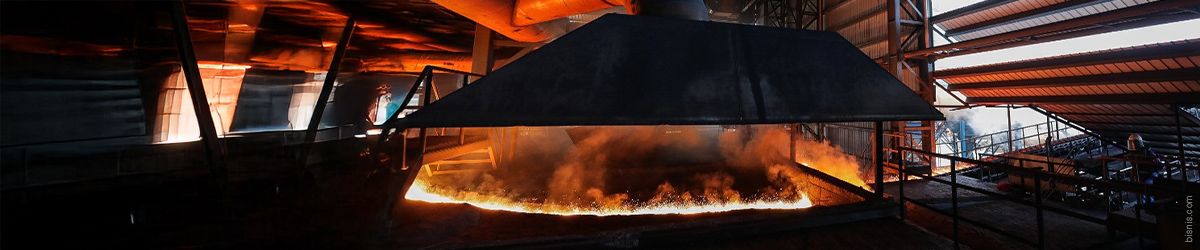
The government is encouraging downstream efforts by building industries that are in harmony with natural resources, such as nickel. A number of industrial estates were also developed from Sulawesi to North Maluku.
However, this downstream acceleration cannot be separated from the sustainability aspect. The stigma of dirty nickel still haunts the reputation of the Indonesian nickel industry in the global market. In the midst of this pressure, a number of industry players are beginning to show a serious commitment to sustainable governance.
Harita Nickel, an integrated nickel company operating on Obi Island, North Maluku, is an example of an industry player who dares to open up to international scrutiny. This voluntary step received appreciation from ESG observers such as Agus Sari, CEO of Landscape Indonesia.
"I lifted my hat when Harita was willing to be audited by IRMA," said Agus.
IRMA or Initiative for Responsible Mining Assurance is a global standard for the mining industry with more than 400 ESG indicators. Harita Nickel's willingness to undergo an independent audit by SCS Global Services marks unprecedented transparency in mining operations in Indonesia.
At that time, Nickel implemented a data- and technology-based environmental management system. Currently, 52 settling ponds with a total area of about 80 hectares are operated to hold and treat runoff water before it is discharged into the sea.
The water to be discharged is monitored through the Ministry of Environment and Forestry's Continuous and Networked Wastewater Quality Monitoring System (SPARING) which is connected in real-time to government data centers. Transparency is also shown through openness to independent research from the University of Indonesia and the University of Khairun Ternate which noted that fishermen in Kawasi and Soligi continue to operate normally with productive catches.
Social sustainability is an important pillar in Harita Nickel's strategy. Through the SUTAN (Fishermen Fish Processing Center) program, the company helps fishermen increase the economic value of their catch. Throughout 2024, the SUTAN fishing group has distributed 28.5 tons of fish for employee consumption needs, creating a stable economic chain.
These measures are in line with the government's vision. Minister of Energy and Mineral Resources Bahlil Lahadalia emphasized that downstream must go hand in hand with sustainability. "The President's direction is very clear, downstreaming the energy sector is the path to added value, economic growth, and sustainable job creation," he said.
Bahlil also highlighted the importance of ESG as the competitiveness of the Indonesian nickel industry in the global market. "ESG is our only weapon to be accepted in the European or American [market]," he said.
To strengthen governance, the government has issued the Decree of the Minister of Energy and Mineral Resources No. 77 of 2022 concerning the National Mineral and Coal Policy. This policy contains three main pillars, namely inventory, management and utilization, and conservation.
Chairman of the Indonesia Mining Institute (IMI), Irwandy Arif, emphasized the importance of implementing good mining practices to ward off the stigma of "dirty nickel". This practice covers all stages of mining from general investigation to post-mining taking into account environmental, safety, resource conservation, and CSR aspects.
Academician of the School of Environmental Sciences of the University of Indonesia, Tri Edhi Budhi Soesilo, added that environmental standards are the determinants of the competitiveness of Indonesian products in the international arena. "Indonesia is often highlighted with environmental issues, for example considered as dirty mining or dirty nickel. This is precisely where our challenge lies: how to improve environmental practices so that they do not become weaknesses in trade," he said.
The implementation of responsible mining practices in Indonesia is also an urgent need. Multi-stakeholder collaboration between government, industry, academia, and society is the key to success. Synergy ensures that the benefits of nickel management are felt widely and sustainably, in accordance with principles that balance economic, social, and environmental aspects.
About SCS Global Services
SCS Global Services is an international leader in third-party environmental and sustainability verification, certification, auditing, testing, and standards development. Its programs span a cross-section of industries, recognizing achievements in climate mitigation, green building, product manufacturing, food and agriculture, forestry, consumer products, and more. Headquartered in San Francisco, California and celebrating over 40 years in business, SCS Global Services has representatives and affiliate offices throughout the Americas, Asia/Pacific, Europe, and Africa. Its broad network of auditors are experts in their fields, and the company is a trusted partner to companies, agencies, and advocacy organizations due to its dedication to quality and professionalism. SCS Global Services is a chartered Benefit Corporation, reflecting its commitment to socially and environmentally responsible business practices. SCS Global Services is also a Participant of the United Nations Global Compact and adheres to its principles-based approach to responsible business. For more information, visit www.SCSGlobalServices.com.